
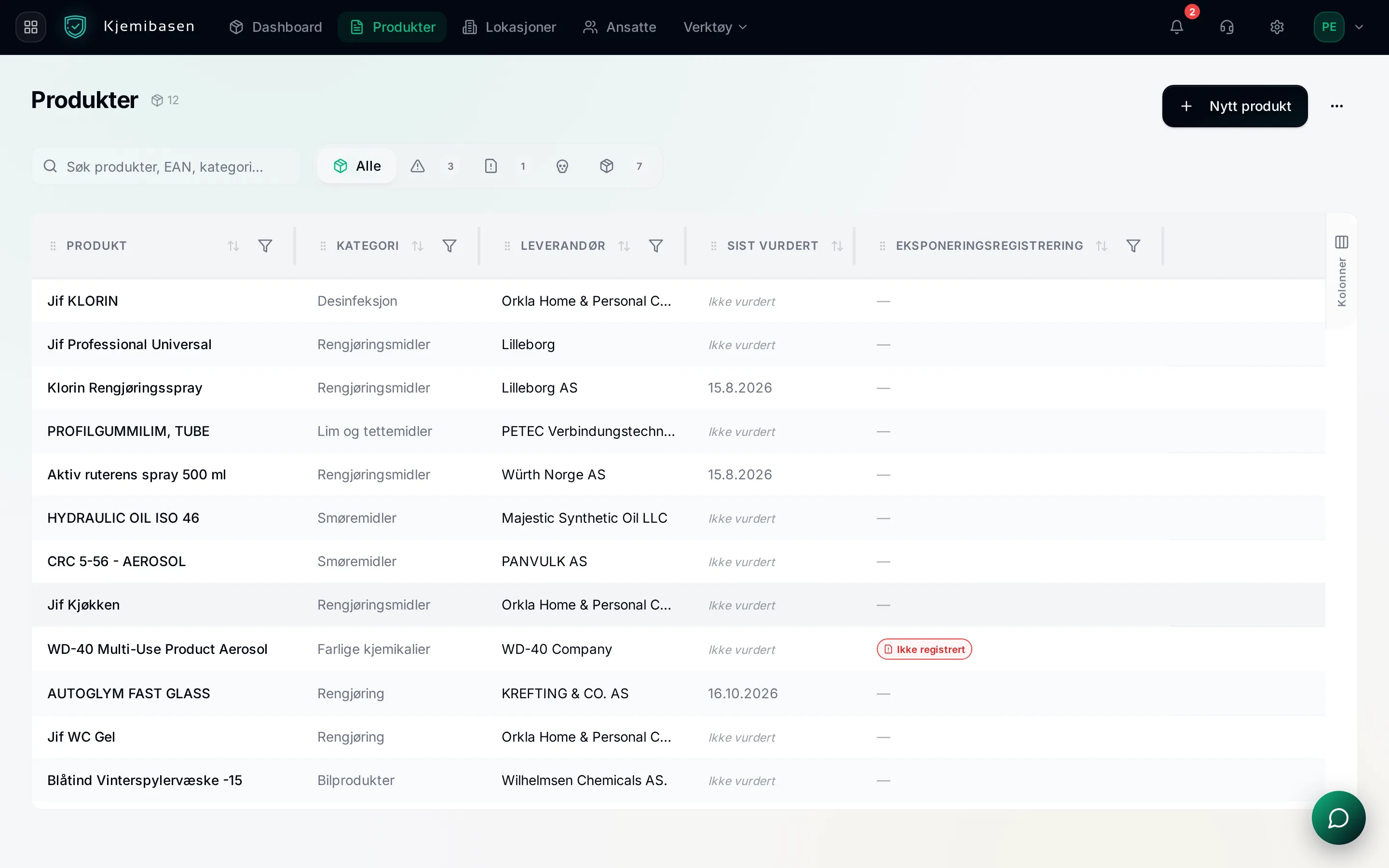
What is a digital chemical register?
A digital chemical register is a modern, electronic database that centralises all critical information on chemicals and hazardous substances used in the workplace. Unlike traditional paper-based binders, a digital register gives instant access to Safety Data Sheets (SDS), risk assessments, first aid procedures, and safe handling instructions.
For any workplace handling chemicals, this is not just a practical upgrade—it is a necessity for meeting chemical safety and occupational health standards from your local authority. In this comprehensive guide, we examine everything you need to know about digital chemical registers, from legal obligations to deployment and routine maintenance.
The digital shift in chemical safety
In recent years, workplaces have moved away from physical binders toward modern cloud solutions. Digital platforms offer features such as automated SDS version updates, QR code access placed directly on storage cabinets, real-time alerts for outdated documents, and complete audit logging.
This transition is driven both by operational efficiency and by stricter chemical regulations such as EU REACH, CLP, and OSHA HazCom. Labour inspectorates regularly audit chemical inventories, and missing or expired documentation can trigger corrective notices or stop-work orders.
Core components of a digital chemical register
A comprehensive chemical management platform includes several key modules:
Safety Data Sheet Archive: The central repository holding SDSs for every chemical on site. In a digital platform, files are searchable, categorized, and simple to keep current.
Risk Assessment Module: Every hazardous substance requires an evaluation of actual use. Digital workflows let safety officers prepare, update, and publish risk assessments in minutes.
Location-Based Tracking: Map products to departments, rooms, mobile vans, or storage cabinets. This provides a clear overview and ensures local inventories match physical stock.
Reminders and Automated Alerts: Notifications trigger whenever an SDS revision is published or when annual risk assessments are due for review.
Inspection and Audit Reporting: Instant PDF and spreadsheet exports formatted for internal EHS audits and regulatory inspections.
Why your organisation needs a digital chemical register
Regulatory compliance
Occupational health and safety regulations, along with chemical standards like EU REACH/CLP and OSHA HazCom, require employers to maintain an accurate and easily accessible inventory of all hazardous substances. This applies across all business sizes, from small workshops to multinational facilities.
Regulatory bodies expect complete chemical inventories, SDSs in a language workers understand, and documented workplace risk assessments. A digital system makes compliance continuous rather than a recurring scramble before audits.
Protecting worker health
Chemical exposure remains a frequent cause of occupational illness and injuries. A centralized digital register protects teams across multiple dimensions:
Immediate access in emergencies: During a spill or skin contact, seconds matter. Staff can pull up first aid, spillage response, and PPE requirements directly on their phones.
Always current documentation: Physical folders gather dust and miss updates. Cloud-based libraries flag older versions and incorporate manufacturer updates automatically.
Safety culture and training: Clear, accessible information increases staff awareness of chemical hazards, encouraging proper PPE use and safe handling habits.
Efficiency and operational savings
A digital system saves safety managers 5–10 hours each week on administrative paperwork. Eliminating paper folders, manual binder printing, and phone calls to suppliers frees up resources for proactive safety tasks.
The cost savings of digitisation are tangible: reduced printing expenses, less administrative overhead, and minimized risk of regulatory fines or operational shutdowns.
General requirements for chemical inventories
Most occupational safety authorities enforce these basic requirements:
1. Universal accessibility
Every employee who handles chemicals must have easy access to safety information where the work is performed. Digital systems with mobile access solve this immediately on the shop floor or in the field.
2. Up-to-date documentation
SDSs must reflect the latest manufacturer revision. When product formulations or hazard classifications change, files must be replaced promptly.
3. Language requirements
Documents must be provided in the official workplace language or a language your workforce understands. Modern systems support multi-language SDS libraries.
4. Complete coverage
All hazardous substances must be listed—not just bulk solvents or raw chemicals, but also everyday maintenance items like adhesives, paints, aerosols, and lubricants.
5. Documented risk assessments
Employers must document how products are used in practice, evaluating real-world exposure, required engineering controls, and personal protective equipment.
How to choose the right software
Prioritise ease of use: front-line workers must be able to pull up an SDS without complex training. Mobile responsiveness is vital for staff working in warehouses, workshops, or client sites.
QR code capabilities make chemical access frictionless. Placing QR stickers on storage areas allows instant scanning with any smartphone camera—no logins or special apps needed for read-only access.
Automated SDS sourcing eliminates manual supplier chasing. Look for software linked to large chemical libraries that monitors updates for you.
Deployment roadmap
Phase 1: Physical inventory audit
Walk through workshops, storage rooms, vans, and maintenance closets. Build a unified list of product names, manufacturers, and storage locations.
Phase 2: Sourcing Safety Data Sheets
Collect the latest SDS for each product directly from manufacturers or through your digital register's automated library.
Phase 3: Workplace risk assessments
Evaluate how each product is handled. Assess exposure pathways, ventilation, quantities used, and required PPE.
Phase 4: Platform setup and QR codes
Organise products by site and department. Generate and attach QR code labels to storage racks and chemical cabinets.
Phase 5: Team onboarding
Train staff on how to look up chemicals, read hazard statements, and react in case of spills or accidental exposure.
Ongoing maintenance
A chemical register requires ongoing governance. Establish a clear routine: log new purchases immediately and archive discontinued products. Perform a scheduled review annually to ensure your physical stock matches your digital register.
Use your digital register to identify safer alternatives (chemical substitution), minimizing workplace hazards at the source.
Summary
A digital chemical register turns a compliance requirement into a practical safety asset. With straightforward planning and modern software, you can eliminate paper clutter, protect your workforce, and stay audit-ready every day.